Change doesn’t have to mean “all or nothing.” Harm reduction is a compassionate, evidence-based approach to alcohol and substance use that meets you where you are—without shame, ultimatums, or the expectation that you must be ready to quit before seeking help. Instead, we work together to identify realistic steps toward greater safety, health, and well-being, whether your goal is to reduce your use, better understand your relationship with substances, or pursue abstinence.
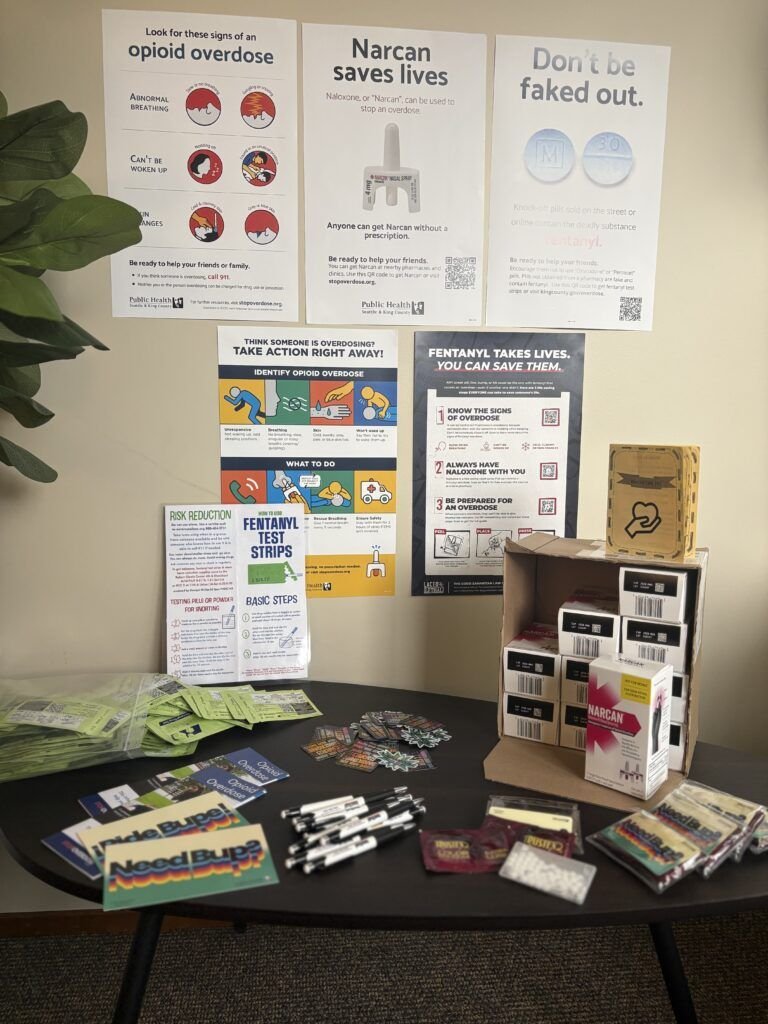
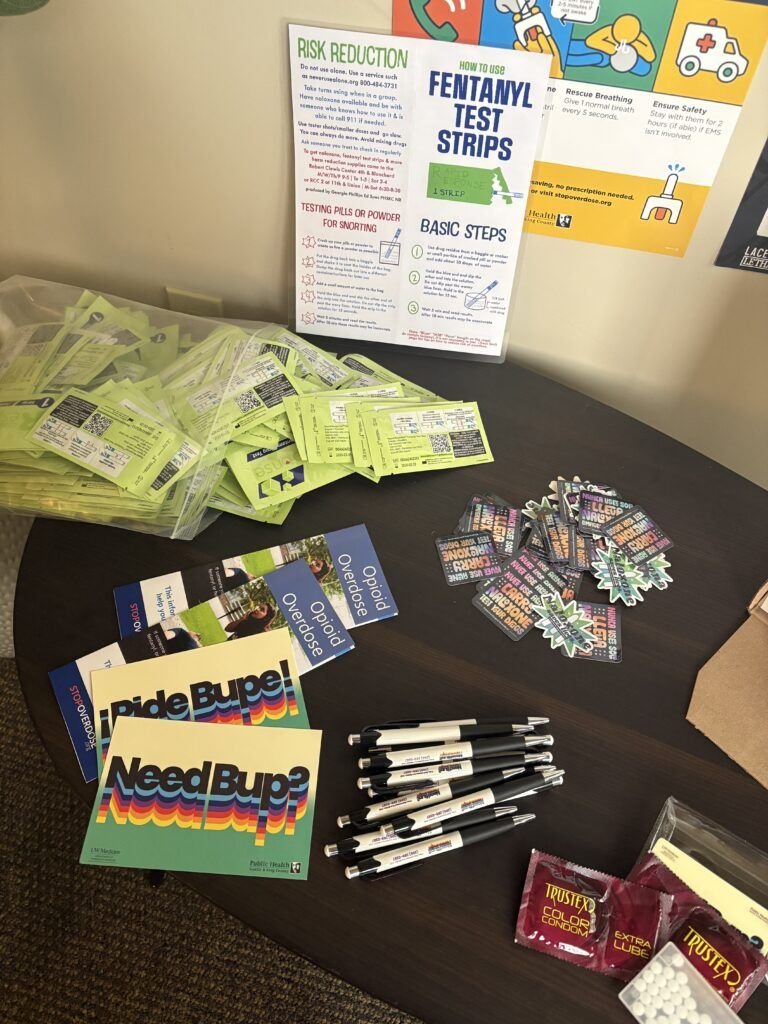
Harm reduction focuses on reducing the negative consequences associated with substance use while respecting each person’s goals and readiness for change. Rather than defining success only as abstinence, progress might mean using less, reducing risk, improving your health and relationships, or ultimately choosing not to use at all.
Harm reduction looks different for every person. In practice, it can include:
Harm reduction and abstinence are not opposites. Abstinence—fully refraining from a substance—is one possible goal, and harm reduction can help people work toward it when that is what they want.
For people who aren’t ready for abstinence, aren’t sure what they want their relationship with substances to look like, or have found abstinence-only approaches unsuccessful, harm reduction provides another path. The focus is on reducing risk, increasing awareness and choice, and keeping the door open for continued change.
Harm reduction doesn’t mean accepting the substance use—it means accepting the person who is living with it.
Educational sources: Cleveland Clinic, “What Is Harm Reduction and How Does It Work?”; Journal of Counseling & Development (doi:10.1002/jcad.12554). This page is for general education and is not medical advice.